
Falling on ice or snow-covered walkways feels like an unavoidable consequence of winter weather. Property owners often claim they cannot be held responsible for natural weather conditions beyond their control. While weather-related slip and falls do involve special legal rules that don't apply to standard premises liability cases, property owners still have duties to address dangerous conditions created by ice, snow, and rain within reasonable timeframes.
Our friends at Hickey & Turim, S.C. handle weather-related fall cases that require understanding unique doctrines like natural accumulation and storm-in-progress rules. A slip and fall lawyer experienced with these claims knows that timing, storm status, and property owner response efforts all affect whether you can recover compensation for injuries caused by slippery winter conditions.
The Natural Accumulation Doctrine
Many states apply natural accumulation rules that limit property owner liability during ongoing storms. The doctrine recognizes that owners cannot prevent snow and ice from falling and may not be able to clear it while precipitation continues.
This protection typically applies only during active storms. Once snow stops falling or ice stops forming, property owners must act within reasonable time periods to clear walkways and address hazardous conditions.
What constitutes reasonable time varies by storm severity, local customs, and property type. Light snow might require clearance within hours, while major blizzards may allow longer response periods before liability attaches.
The Storm In Progress Exception
Property owners generally aren't liable for falls occurring during active storms when accumulation is ongoing. Courts reason that requiring immediate clearing during storms is unreasonable and that visitors should anticipate slippery conditions during inclement weather.
The exception's boundaries create frequent disputes. When did the storm actually end? If snow stopped but freezing rain continued, was the storm still in progress? Property owners and injured parties often disagree about storm status at accident times.
We use weather records from sources like the National Weather Service to establish exactly when precipitation ended. This objective evidence proves whether natural accumulation protection still applied when you fell.
When Weather Protection Doesn't Apply
Several situations fall outside natural accumulation and storm-in-progress protections. Property owners who create or worsen weather-related hazards through their own actions cannot claim immunity.
Clearing snow from roofs or upper walkways that then piles on lower walkways creates owner-caused hazards. Inadequate drainage systems allowing melt water to refreeze into ice represents a maintenance failure. Snow removal that leaves ridges or piles in walkways creates tripping hazards the owner produced.
These owner-created or enhanced dangers trigger normal premises liability rules despite involving weather-related conditions.
Reasonable Clearing Timeframes
Once storms end, property owners must clear ice and snow within periods courts deem reasonable. The analysis considers multiple factors:
- Storm severity and accumulation amounts
- Temperature and whether melting will occur naturally
- Property type and visitor traffic levels
- Local ordinances requiring clearing within specific timeframes
- Available resources and clearing difficulty
Commercial properties with high foot traffic face shorter clearing deadlines than residential properties with occasional visitors. Businesses that remain open during and after storms assume greater responsibilities to maintain safe access.
Partial Clearing And New Hazards
Snow removal efforts sometimes create new dangers. Piling snow creates trip hazards. Cleared paths that ice over from melting and refreezing become more dangerous than untreated snow. Scattered salt or sand in insufficient quantities provides false security while remaining slippery.
Property owners who attempt clearing but do so negligently may face greater liability than those who simply leave natural conditions untouched. Partial efforts that lull visitors into believing walkways are safe when they remain hazardous demonstrates actionable negligence.
Commercial Versus Residential Standards
Commercial property owners typically face stricter winter maintenance duties than residential owners. Businesses inviting customers must anticipate weather-related hazards and take proactive measures like pre-treating surfaces, posting warnings, and maintaining clearing supplies.
Residential landlords have duties to tenants and social guests but these obligations may be less demanding than commercial standards. Some states distinguish between common areas landlords control and areas tenants exclusively use.
Indoor Weather-Related Falls
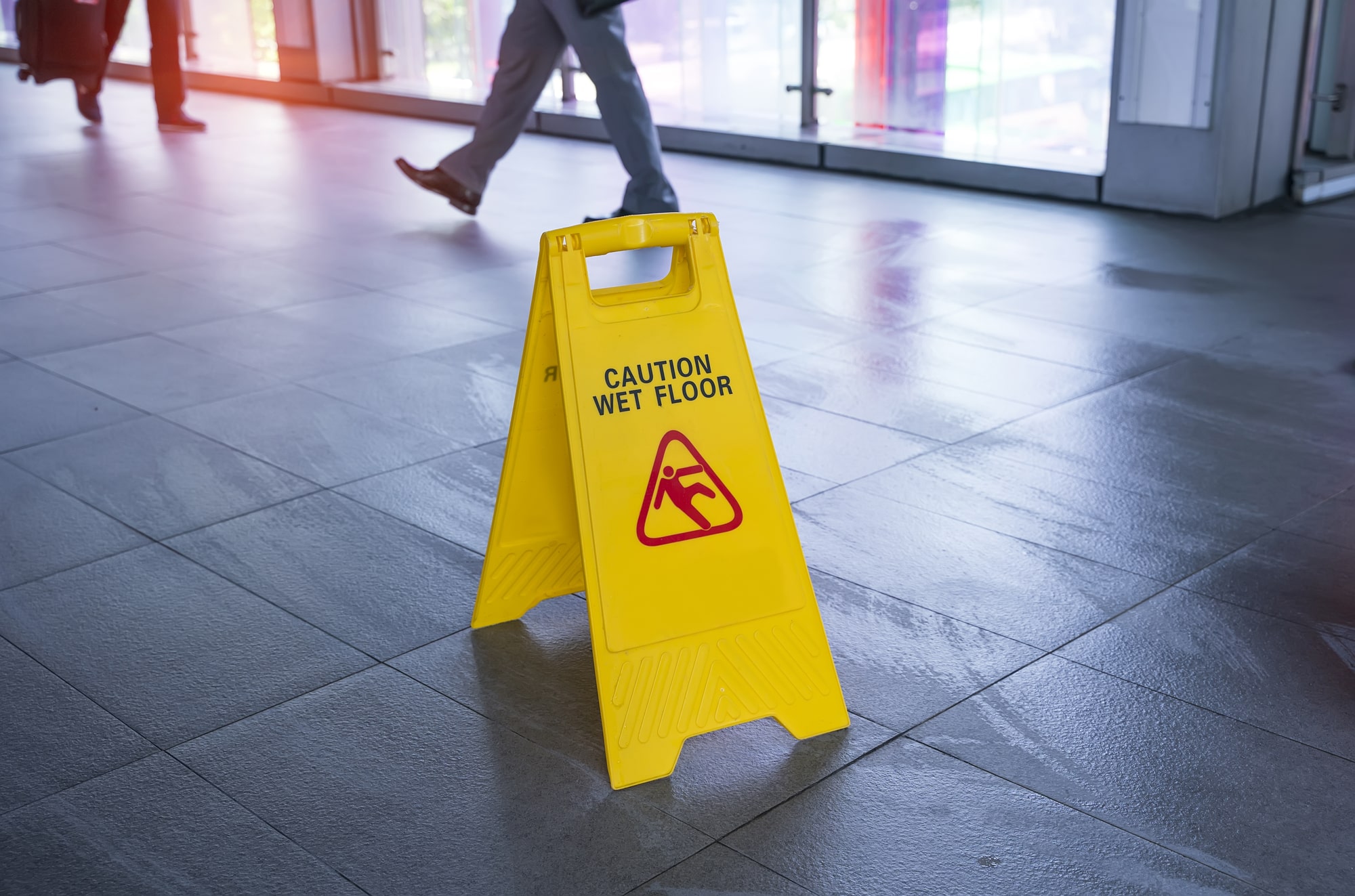
Rain and snow create indoor hazards when tracked into entryways on shoes and clothing. These indoor weather-related falls involve different analysis than outdoor ice and snow cases.
Property owners should anticipate wet conditions at entrances during precipitation. Mats, warning signs, and frequent mopping represent reasonable responses to foreseeable tracking hazards.
Indoor wet floor cases during storms often escape natural accumulation protection because owners can control interior conditions through proper matting and maintenance. The mere fact that outside weather caused indoor moisture doesn't excuse owners from addressing resulting slip hazards.
Comparative Negligence In Weather Cases
Insurance companies aggressively pursue comparative negligence arguments in weather-related falls. They claim you assumed risk by going out during bad weather, should have worn better footwear, or exercised insufficient caution given obvious conditions.
These arguments succeed more often in weather cases than standard slip and falls. Courts recognize that people venturing out during storms bear some responsibility for their own safety.
We counter by emphasizing that you had legitimate reasons for being on the property, exercised reasonable care, and that property owner failures created dangers beyond what natural weather conditions would produce.
Municipal Sidewalk Liability
Public sidewalks create special issues because governmental immunity often protects cities from weather-related slip and fall claims. Many states grant municipalities broad immunity for failure to clear sidewalks during reasonable periods after storms.
Some jurisdictions shift clearing responsibility to adjacent property owners through ordinance. When private owners must clear public sidewalks and fail to do so, they may face liability while the city retains immunity.
Understanding who bears responsibility for the specific walkway where you fell determines which defendants to pursue and what defenses they can raise.
Warning Requirements During Weather Events
Property owners sometimes satisfy their duties through adequate warnings rather than complete hazard elimination. "Icy conditions" signs, barricades blocking unsafe areas, and verbal warnings may suffice when clearing isn't immediately possible.
The adequacy of warnings depends on hazard severity and whether safer alternative routes exist. Warning about moderately icy walkways may be reasonable. Warning about impassable ice sheets while keeping a business open likely isn't sufficient.
Footwear And Assumption Of Risk
Defendants argue that wearing inappropriate footwear during winter constitutes contributory negligence or assumption of risk. Smooth-soled shoes in icy conditions demonstrate failure to protect yourself, they claim.
While footwear choice may affect comparative fault percentages, it doesn't eliminate property owner duties. Owners cannot maintain dangerous conditions and escape liability by blaming victim shoe selection.
Timing And Weather Documentation
When you fell relative to storm timing often determines case viability. Falls during active storms face natural accumulation defenses. Falls hours or days after storms ended avoid this obstacle.
Precise accident timing and weather records become essential evidence. We gather National Weather Service data, local news reports, and witness testimony establishing exactly when precipitation stopped and how long passed before your fall.
Lease Provisions And Maintenance Responsibility
Commercial leases and residential rental agreements sometimes allocate snow removal responsibilities between landlords and tenants. These provisions affect who bears liability when weather-related falls occur.
Investigating contractual duties helps identify proper defendants. Landlords who retained snow removal responsibility cannot escape liability by claiming tenants should have cleared areas.
Prior Accidents And Notice
Property owners with histories of weather-related accidents at specific locations should recognize dangerous conditions requiring enhanced clearing or warnings. Repeated falls in the same areas establish notice that standard clearing efforts prove inadequate.
We request records of prior weather-related incidents to prove owners knew certain locations created particular hazards. This pattern evidence supports claims that more aggressive maintenance was necessary.
If you've fallen and been injured on ice, snow, or wet surfaces during inclement weather, don't assume that winter conditions automatically prevent recovery. While weather-related slip and fall cases involve special rules favoring property owners in some circumstances, those protections have limits. Understanding how storm timing, owner actions, and clearing obligations affect liability helps you evaluate whether you have valid claims for compensation despite the involvement of natural weather conditions that contributed to your accident.