
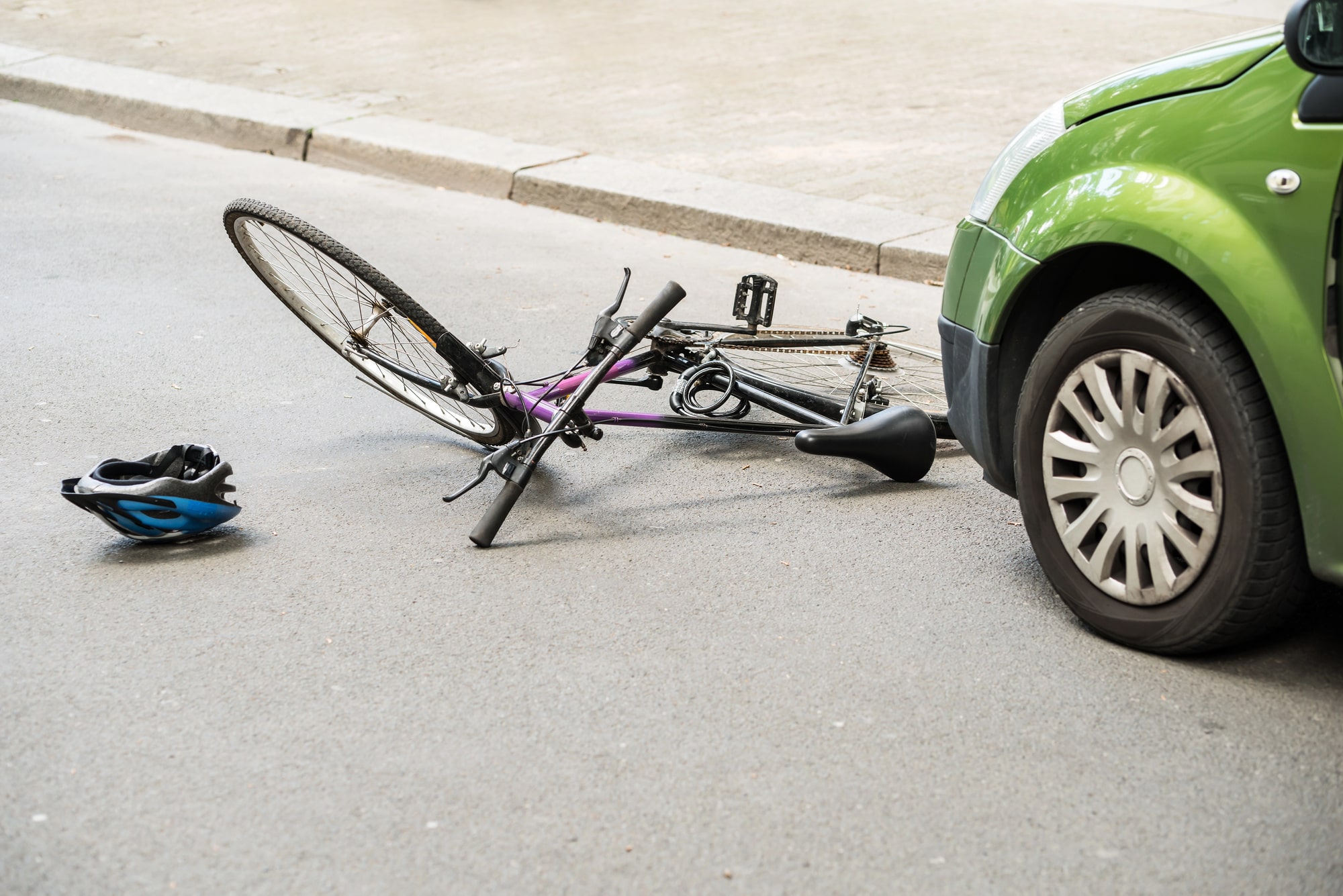
Getting hit while riding your bicycle doesn't automatically mean you'll receive full compensation for your injuries. That's not how it works in Arizona. We use a comparative negligence system that can significantly impact what you recover after a crash, and understanding this matters if you're pursuing a claim.
What Comparative Negligence Is
Arizona follows what's called "pure comparative negligence." You can still recover damages even if you're partially at fault for the accident. But your compensation gets reduced by your percentage of fault. Let's say a driver runs a stop sign and hits you, but you were riding without lights at night. Both parties share some responsibility. The court or insurance company assigns fault percentages to each person involved. You might be found 20% at fault while the driver is 80% responsible.
How Fault Percentages Affect Your Recovery
The math is straightforward. If your total damages equal $100,000 and you're deemed 20% at fault, you'll recover $80,000. The higher your fault percentage, the less you receive. Some scenarios where cyclists might share fault include:
- Riding against the traffic flow
- Failing to signal turns or lane changes
- Ignoring traffic signals or stop signs
- Riding under the influence of alcohol or drugs
- Not using required lights or reflectors at night
You can still pursue compensation even if you made a mistake. Unlike states with modified comparative negligence rules, Arizona doesn't bar recovery at certain fault thresholds. That's actually good news for injured cyclists.
Common Defense Tactics In Bicycle Accidents
Insurance companies love comparative negligence. They'll look for any reason to shift blame onto you, and they're good at it. Adjusters frequently argue that cyclists contributed to their own injuries by violating traffic laws or riding unsafely. A Phoenix Bicycle Accident Injury Lawyer can counter these tactics by gathering evidence that establishes the driver's primary responsibility. This includes witness statements, traffic camera footage, and accident reconstruction analysis. Drivers and their insurers might claim you were:
- Riding too far into the traffic lane
- Wearing dark clothing that made you hard to see
- Traveling too fast for conditions
- Not paying attention to your surroundings
Each argument requires a factual response backed by evidence. We don't let these claims go unchallenged.
Proving The Driver's Fault
Your attorney needs to demonstrate what the driver did wrong. Common violations in bicycle accidents include distracted driving, speeding, failing to yield, and violating Arizona's three-foot passing law. Physical evidence tells a powerful story. Skid marks show where braking occurred. Vehicle damage location reveals the point of impact. These details help establish who had the right of way. Your injuries can also indicate how the collision occurred and who bears greater responsibility. Medical records do more than document your injuries. They create a timeline. They show the severity of impact. They can demonstrate whether your actions could have reasonably caused the accident or whether the driver's negligence was the primary factor.
Why Legal Representation Matters
Insurance adjusters assign fault percentages early in the claims process, often before you've hired an attorney. They'll use your own statements against you to inflate your fault percentage and reduce their payout. It happens all the time. At Wyatt Injury Law Personal Injury Attorneys, we challenge unfair fault determinations by conducting independent investigations. We interview witnesses. We consult with accident reconstruction specialists. We review all available evidence before accepting any fault allocation. The difference between 10% fault and 30% fault can mean tens of thousands of dollars in your pocket. We've seen cases where initial fault assessments changed dramatically once we presented the full picture. That's why you can't rely on what an insurance company tells you in those first few days after your accident.
Moving Forward With Your Claim
Comparative negligence doesn't mean you're out of options after a bicycle accident. It means you need someone fighting for an accurate assessment of fault. Even partial recovery can cover medical bills, lost income, and ongoing treatment costs. A Phoenix Bicycle Accident Injury Lawyer understands how to minimize your fault percentage and maximize your compensation. Don't let an insurance company's initial assessment become the final word on your case. The sooner you get legal help, the better positioned you'll be to challenge unfair blame and secure fair compensation for your injuries.