
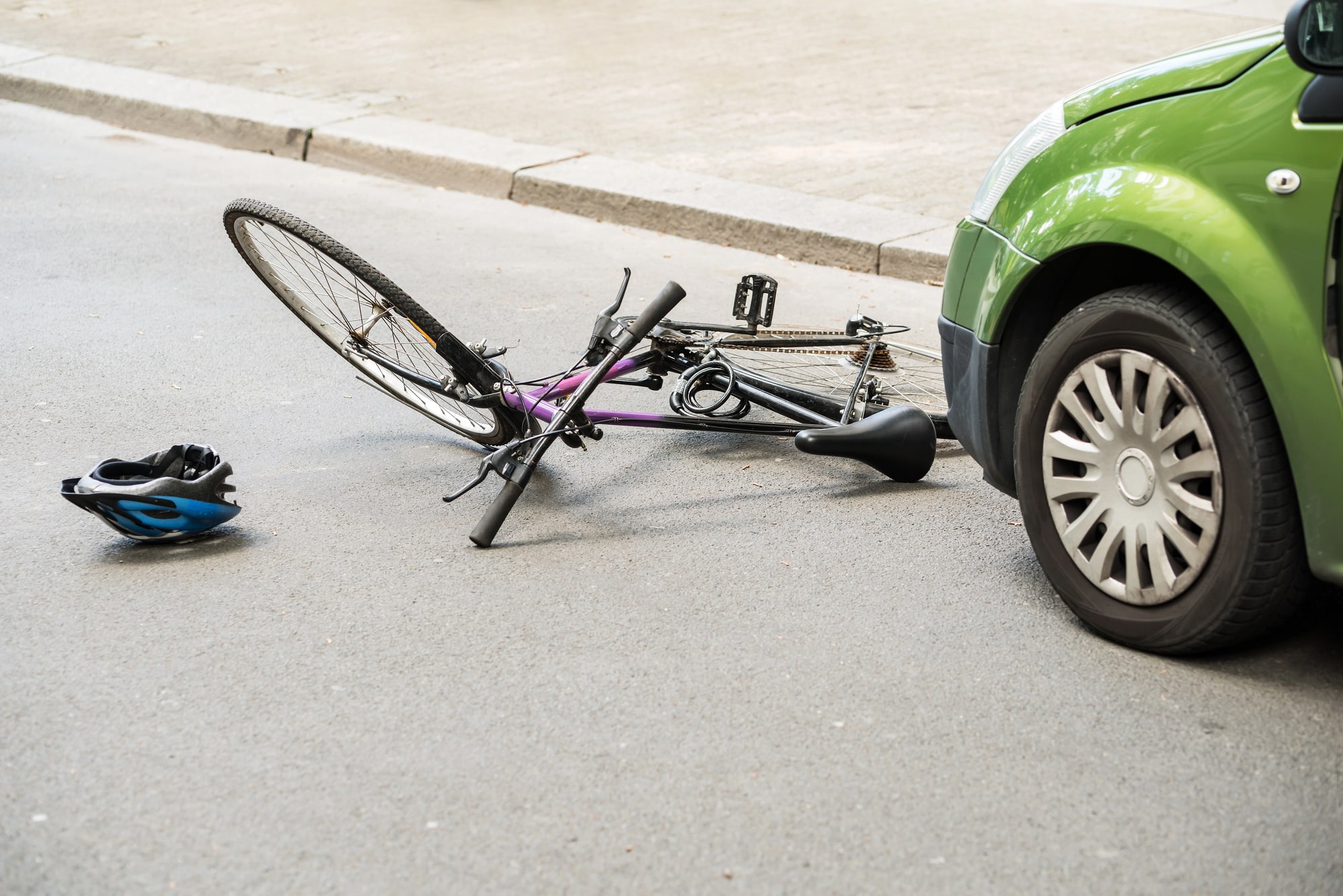
When a driver strikes a cyclist in Glendale, the injured rider faces two immediate challenges. The first is physical: getting medical care and managing what can be serious injuries with limited protection from the impact. The second is legal: proving that the driver's negligence caused the crash. In Arizona, that proof requires specific evidence, and the window to gather it closes faster than most people realize. Cyclists who understand what establishing fault actually involves are in a much stronger position to recover what their injuries are worth.
How Arizona's Comparative Fault System Affects Bicycle Claims
Arizona follows pure comparative fault under A.R.S. § 12-2505. An injured cyclist can recover compensation even when they share some responsibility for the crash. Their recovery is reduced by their fault percentage, but it isn't eliminated. A cyclist who was 20% at fault and suffered $100,000 in damages recovers $80,000.
This is a genuinely favorable rule for injured cyclists. But it also means that the driver's insurer will actively look for anything the rider did that contributed to the crash. Lane position, speed, lighting, and compliance with traffic laws will all be examined. Building a strong liability case isn't just about showing the driver was at fault. It's also about limiting what fault percentage the insurer can attribute to the cyclist.
What Arizona Traffic Law Requires of Drivers Around Cyclists
Arizona gives cyclists full rights as vehicle operators on public roads under A.R.S. § 28-812. Drivers must treat cyclists with the same respect they'd give any vehicle. Specific obligations include:
- Maintaining at least three feet of clearance when passing a cyclist under A.R.S. § 28-735
- Yielding to cyclists who have the right of way at intersections
- Checking for cyclists before opening car doors in traffic areas
- Not cutting off cyclists when turning
When a driver violates any of these requirements and causes a crash, that statutory violation supports the negligence claim directly.
What Evidence Proves Fault After a Glendale Bicycle Crash
The strongest bicycle accident cases are built on multiple evidence sources that tell a consistent story:
Police reports document the responding officer's observations, the physical evidence at the scene, and any citations issued. A citation for failure to yield, improper passing, or distracted driving is powerful evidence of negligence.
Surveillance and dashcam footage from nearby homes, businesses, and other vehicles on the road sometimes captures the crash itself or the moments before it. This footage is overwritten quickly on most systems, making immediate preservation requests essential.
Witness statements from pedestrians, other cyclists, or drivers who saw the crash provide independent accounts that don't rely on either party's version.
Cell phone records establish whether the driver was using a device at the time of impact, which is direct evidence of distracted driving under A.R.S. § 28-914.
Medical records and photographs connect the crash to the injuries and document the severity of harm the cyclist experienced.
Wyatt Injury Law Personal Injury Lawyers investigates bicycle accident claims throughout Glendale and the Phoenix metro from the beginning of representation, gathering and preserving evidence before it disappears. Attorney Justin L. Wyatt practices exclusively on behalf of injured plaintiffs and has never represented an insurer. If you were struck by a driver while cycling in Glendale, reach out to a Glendale bicycle accident lawyer for a free consultation to discuss what the evidence shows.