
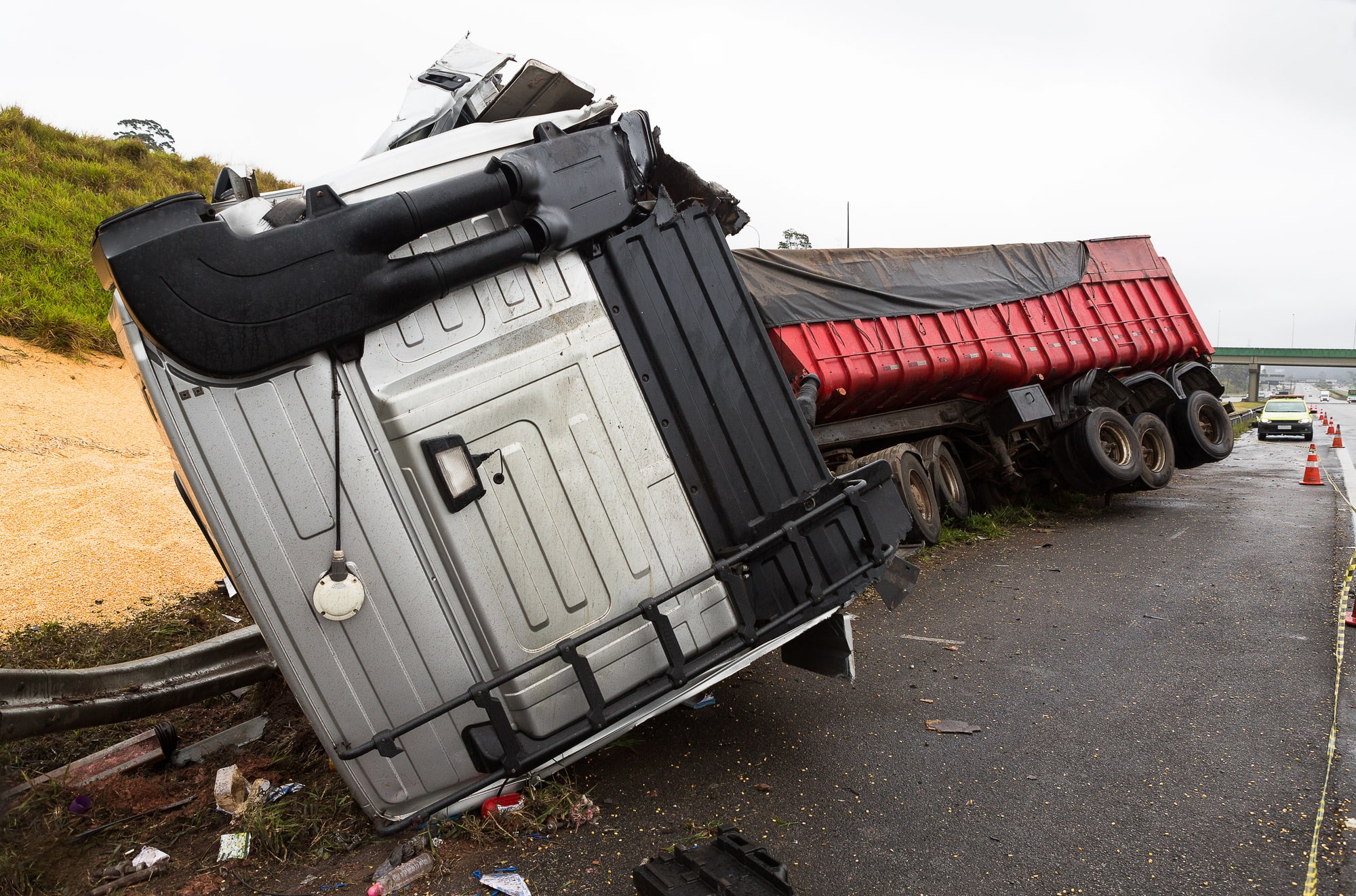
What Actually Makes a Truck Accident Case Different From a Car Crash?
Commercial truck accidents involve a separate layer of federal regulation administered by the Federal Motor Carrier Safety Administration, covering driver hours of service, vehicle maintenance, and cargo securement that simply do not apply to standard passenger vehicles. A Glendale truck accident lawyer evaluating a case examines whether these federal regulations were actually violated, since any violation can become genuinely powerful evidence of negligence.
Many injured people genuinely assume a truck accident claim works exactly like a standard car accident case, only to discover federal trucking regulations actually add an entirely separate layer of evidence and potential liability.
Who Can Actually Be Held Liable Beyond the Truck Driver?
A truck accident claim may involve the trucking company as the driver's employer, a cargo loader responsible for improper loading, a maintenance provider, or a vehicle manufacturer, depending on what actually caused the crash. An attorney investigating a serious collision examines each of these potential parties carefully, since more than one may genuinely share responsibility.
- Federal FMCSA regulations govern hours of service and vehicle maintenance
- Multiple parties can share liability in a single truck accident
- Arizona follows pure comparative negligence with no fault-based bar
- Electronic Logging Device data often reveals hours of service violations
Why Does Electronic Logging Device Data Actually Matter so Much?
Federal regulations require commercial trucks to log driver hours electronically, and this Electronic Logging Device data can genuinely reveal whether a driver actually exceeded the eleven-hour daily driving limit before a crash occurred. A Glendale truck accident lawyer can confirm a driver operating beyond this federal limit generally establishes negligence per se, meaning the violation itself bypasses the need to separately prove the driver was fatigued.
Why Does the Truck's Black Box Data Genuinely Matter?
Many commercial trucks carry an event data recorder, sometimes called a black box, that captures speed, braking, and steering information in the moments before a crash actually occurred. This data can genuinely corroborate or contradict a driver's account of the accident, making prompt preservation requests genuinely important before a carrier can overwrite or discard the recording.
How Does Arizona's Comparative Negligence Rule Actually Apply?
Arizona follows a pure comparative negligence standard under A.R.S. § 12-2505, meaning an injured person can recover compensation even if found mostly at fault for the accident, with the award simply reduced by their own fault percentage. This rule genuinely differs from many other states, since no fault percentage actually bars recovery entirely in a truck accident case.
Why Does Evidence Preservation Genuinely Matter Immediately?
Trucking companies maintain considerable resources and often begin investigating a crash immediately, sometimes repairing or replacing a damaged vehicle before an injured party can actually document the evidence. Sending a formal spoliation letter early in a case genuinely helps preserve Electronic Logging Device data, maintenance records, and other evidence before it disappears.
What Types of Compensation Can a Truck Accident Claim Actually Cover?
An injured person may recover both economic damages, such as medical expenses and lost wages, and noneconomic damages, such as pain and suffering, with the total award reduced by whatever fault percentage the claimant actually bears. Commercial trucking companies typically carry considerably higher insurance policy limits than standard passenger vehicles, often ranging from $750,000 to $5 million.
How Long Do I Actually Have to File a Claim?
Arizona Revised Statutes § 12-542 generally gives an injured person two years from the date of the accident to file a personal injury lawsuit, a deadline that applies to truck accidents just like any other motor vehicle case. Wrongful death claims arising from a truck accident generally carry this same two-year deadline.
Why Does the Trucking Company Often Share Responsibility?
A trucking company can face liability for a driver's negligence under standard employer liability principles, and separately for its own negligent hiring, training, or maintenance practices if those failures actually contributed to the crash. Reviewing a carrier's hiring records and safety history can genuinely reveal an independent basis for liability beyond the driver alone.
Who Can Help With a Truck Accident Claim in Glendale?
Wyatt Injury Law Personal Injury Lawyers represents injured victims throughout the Glendale area, working to identify every responsible party and pursue full and fair compensation under Arizona's current legal framework.