
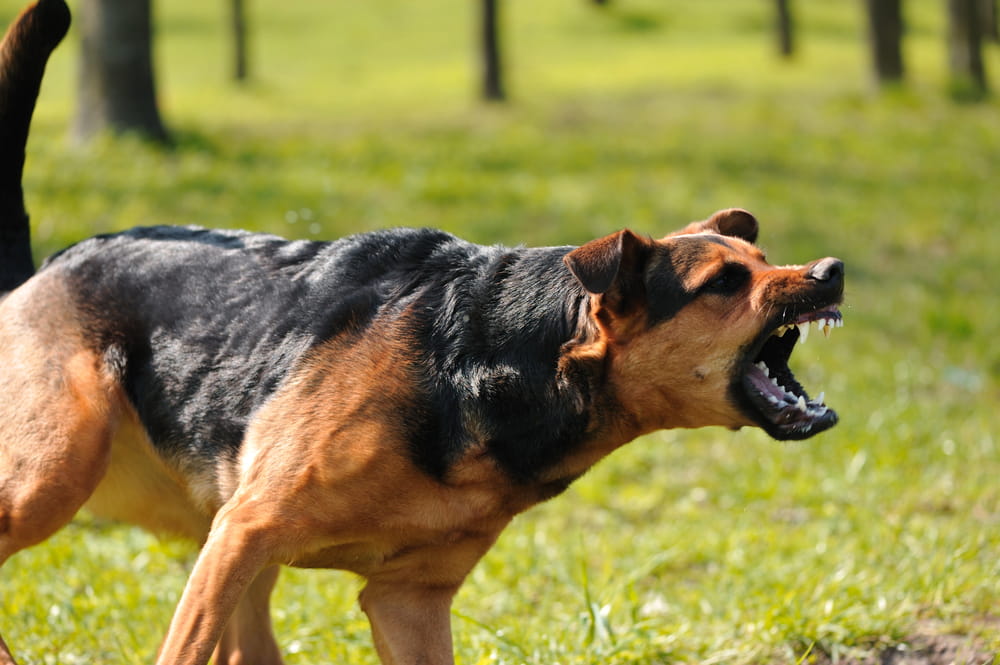
Arizona Imposes Strict Liability on Dog Owners
Under A.R.S. Section 11-1025, a dog owner is liable for damages when their dog bites a person who is in a public place or lawfully in a private place, regardless of the dog's prior viciousness or the owner's knowledge of it. This removes the so-called one-bite rule some other states still apply, where a victim has to prove the owner knew or should have known the dog was dangerous.
This strict liability standard applies even to a dog with no prior history of aggression whatsoever, and even when the owner genuinely had no reason to expect any problem, which is exactly what makes this statute so different from ordinary negligence-based injury claims.
A Phoenix dog bite lawyer does not need to dig up a dog's bite history to build a case, since Arizona's statute attaches liability the very first time a bite occurs, provided the victim was somewhere they were legally allowed to be.
What Counts as Being Lawfully Present
Under A.R.S. Section 11-1026, a person is lawfully on private property if they are performing a duty imposed by law, invited or permitted onto the property by the owner, or otherwise present with the owner's consent. This includes social guests, delivery workers, and utility workers performing routine job duties.
A person who enters private property without permission, such as a trespasser, generally cannot rely on this strict liability statute, even if the same dog would otherwise be liable for biting a lawful visitor under identical circumstances. This distinction sometimes becomes contested when a person's status on the property, invited guest versus uninvited visitor, is unclear at the time of the incident.
The Only Real Defense Available
Under A.R.S. Section 11-1027, the primary defense to a dog bite claim is provocation, meaning the victim's own actions caused the dog to react in a defensive manner. Arizona courts have held that assumption of risk is not a separate defense, narrowing the available arguments considerably compared to standard negligence cases.
Provocation is judged from a reasonable person's perspective rather than the dog's, and an accidental or minor touch of the animal generally does not rise to the level of legal provocation.
Whether the Breed of the Dog Matters
No. Arizona law specifically prohibits considering a dog's breed when determining whether the animal is aggressive, vicious, or has created liability. This prevents breed-based assumptions from influencing a court's decision on either fault or damages, keeping the focus squarely on what actually happened during the specific incident itself.
This rule also means breed-specific insurance exclusions do not change the underlying legal standard a court applies, even if they affect which specific insurance policy ultimately ends up paying a claim.
Evidence That Supports a Dog Bite Claim
Building a strong dog bite case depends on documenting both the incident and the resulting injuries. Useful evidence typically includes:
- Photos of the injury taken as soon as possible after the bite
- Medical records documenting treatment and the extent of the injury
- Witness statements describing the incident and what led up to it
- Animal control or police reports filed after the bite occurred
- Information about the dog owner's homeowners or renters insurance
How Wyatt Injury Law Personal Injury Lawyers Handles These Cases
Arizona's strict liability standard gives dog bite victims a real advantage, but insurance companies still look for any available defense to reduce or completely deny a claim. Wyatt Injury Law Personal Injury Lawyers reviews the specific facts of each bite to address provocation arguments and build the strongest possible claim.
Your Next Step
Understanding Arizona's strict liability standard is the first step toward a successful dog bite claim of any kind. If you were bitten by a dog in the Phoenix area, a Phoenix dog bite lawyer can help you understand your rights and start building your case right away.