
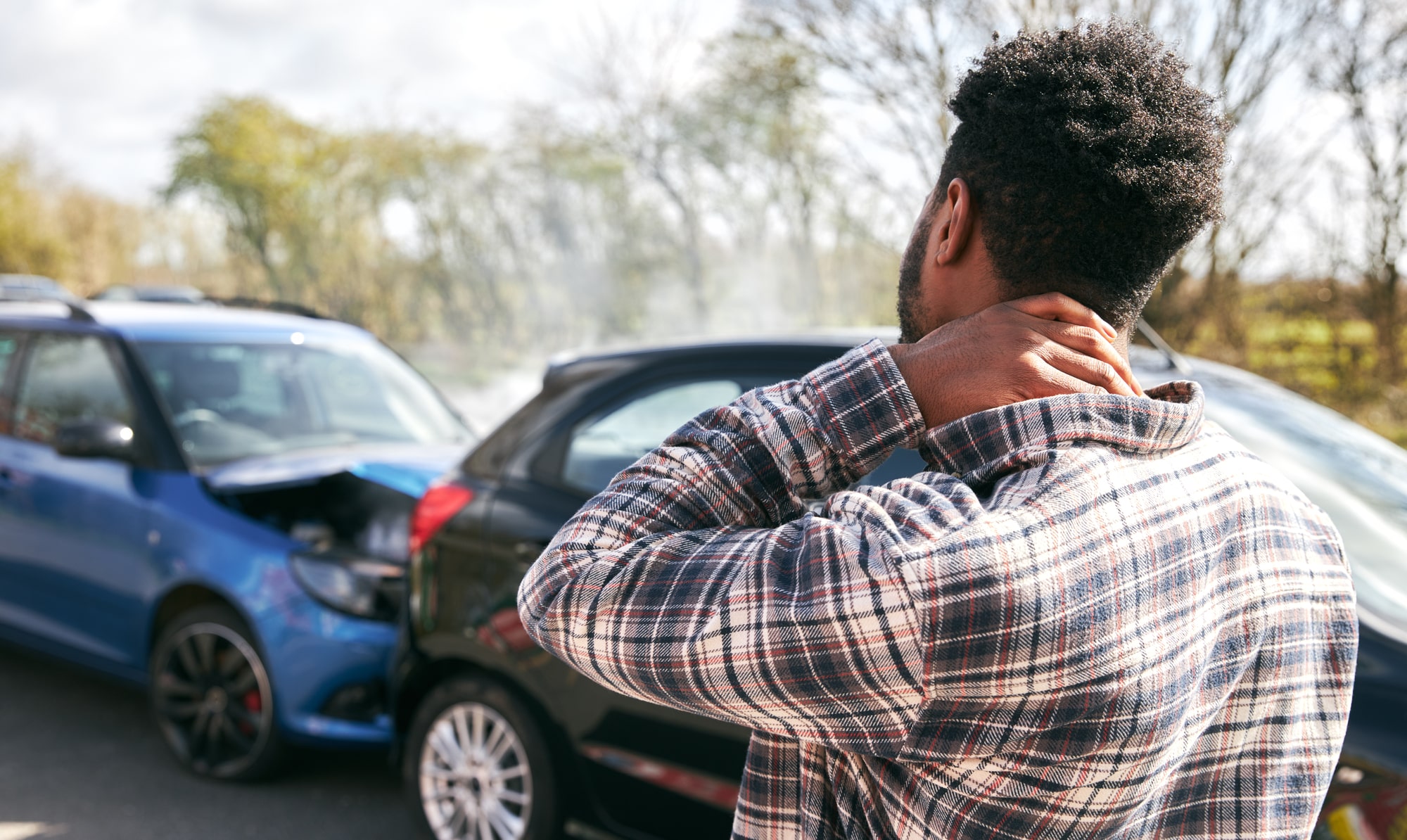
A car accident can become more complicated when one of the vehicles is owned or operated by a business.
Company vehicles may include sales cars, service vans, maintenance trucks, delivery vehicles, or automobiles used by employees while performing work duties.
In these situations, questions may arise about the driver's conduct, the employer's involvement, vehicle ownership, and available insurance. A car accident lawyer can help you determine whether an employer or vehicle owner may share responsibility for a crash and identify potential sources of compensation.
The legal team at Isaacson, Schiowitz & Korson, LLP explains several factors that can make business-vehicle accidents different from ordinary collisions.
The Driver's Employment Status May Matter
One of the first questions is whether the driver was working at the time of the collision.
An employee may be traveling to a customer, making a delivery, attending a business meeting, or performing another assigned task.
In some circumstances, an employer may be legally responsible for negligent conduct by an employee acting within the scope of employment.
This concept is often called respondeat superior, a legal principle concerning employer responsibility for certain employee actions.
The precise rules vary by jurisdiction.
A Company-Owned Vehicle Does Not Answer Every Question
The fact that a vehicle belongs to a business does not necessarily mean the business is responsible for every accident involving it.
A driver might be using the vehicle for personal reasons or outside authorized duties.
Conversely, an employee using a personally owned vehicle for work may raise questions about employer responsibility.
Ownership, employment, vehicle use, and applicable law must be considered together.
Insurance Coverage May Be Different
Businesses often carry commercial automobile insurance.
These policies may differ from personal automobile policies in their coverage, exclusions, limits, and conditions.
An accident involving a company vehicle may also involve other applicable insurance depending on the circumstances.
Determining the available coverage may require reviewing the policies and identifying the relationships among the driver, vehicle owner, and business.
Driver Training and Supervision
Some businesses have formal driver training programs, vehicle-use policies, or procedures for reporting accidents.
Depending on the facts, those practices may become relevant to an investigation.
For example, questions might arise about whether the driver received appropriate training or whether the business had knowledge of a significant safety concern.
However, not every accident involving an employee creates a separate claim concerning hiring or supervision.
Vehicle Maintenance
Businesses operating multiple vehicles may maintain service schedules and inspection records.
These records can become important if the accident involved a mechanical issue.
Brake problems, tire failures, defective lights, or steering issues may raise questions about maintenance and inspection.
The investigation must determine whether a mechanical condition contributed to the accident and how it developed.
Electronic and Business Records
Company vehicles may contain GPS systems, dashboard cameras, telematics equipment, or other electronic devices.
Business records may also identify the driver's assignment, destination, schedule, or activities.
The availability and relevance of this information depend on the vehicle and the circumstances.
Because electronic records may be overwritten, identifying potential sources of information early can be helpful.
Gather Information at the Scene
After an accident, obtain the driver's name, contact information, insurance details, and vehicle information.
If the vehicle displays a business name, photograph it when safe.
The company name, license plate, vehicle markings, and other identifying details may help determine who owned or operated the vehicle.
Witness information and photographs of the roadway remain important.
Avoid Assuming the Business Is Automatically Responsible
The involvement of a company vehicle may expand the investigation, but legal responsibility still depends on evidence.
A business may dispute whether the driver was working, whether the conduct fell within employment duties, or whether the driver caused the accident.
These questions are evaluated under the applicable law.
The Bottom Line
Company-vehicle accidents can involve additional questions about employment, ownership, insurance, supervision, and maintenance.
The most useful approach is to document the accident carefully and identify both the driver and the business associated with the vehicle.
Understanding the driver's activities at the time of the collision can be especially important in determining which parties and insurance policies may be involved.